Free Printable Environmental Science Worksheet
Giants of the Compost World
 |
Earthworm
|
- blends it
- creates passageways for air and water
- enriches soil with microorganisms that live in its digestive tract by eating the soil and leaving behind "castings"
Isopod
|
Pill Millipede
|


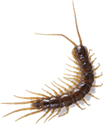 |
Centipede
|
Although the centipedes that you find in a compost pile are too small to seriously hurt humans, do NOT touch centipedes! Their bites can hurt.
Millipede 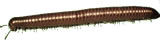
- about 1/4 to to 3 inches long
- many short legs, arranged 4 legs per body ring
- short feelers
- round, tubular body
- moves slowly, may coil up when disturbed
 Millipedes eat plants and dead compost animals. They break down large pieces of compost. The pill millipede is described separately above.
WorksheetsPlus.com for Free Printable K - 8 Worksheets
Visit: worksheetsplus.com/earthDay/Reduce,%20Reuse,%20Recycle%20TV%20Script.html
 Earth Day Reading Comprehension, Learning Games & Worksheets